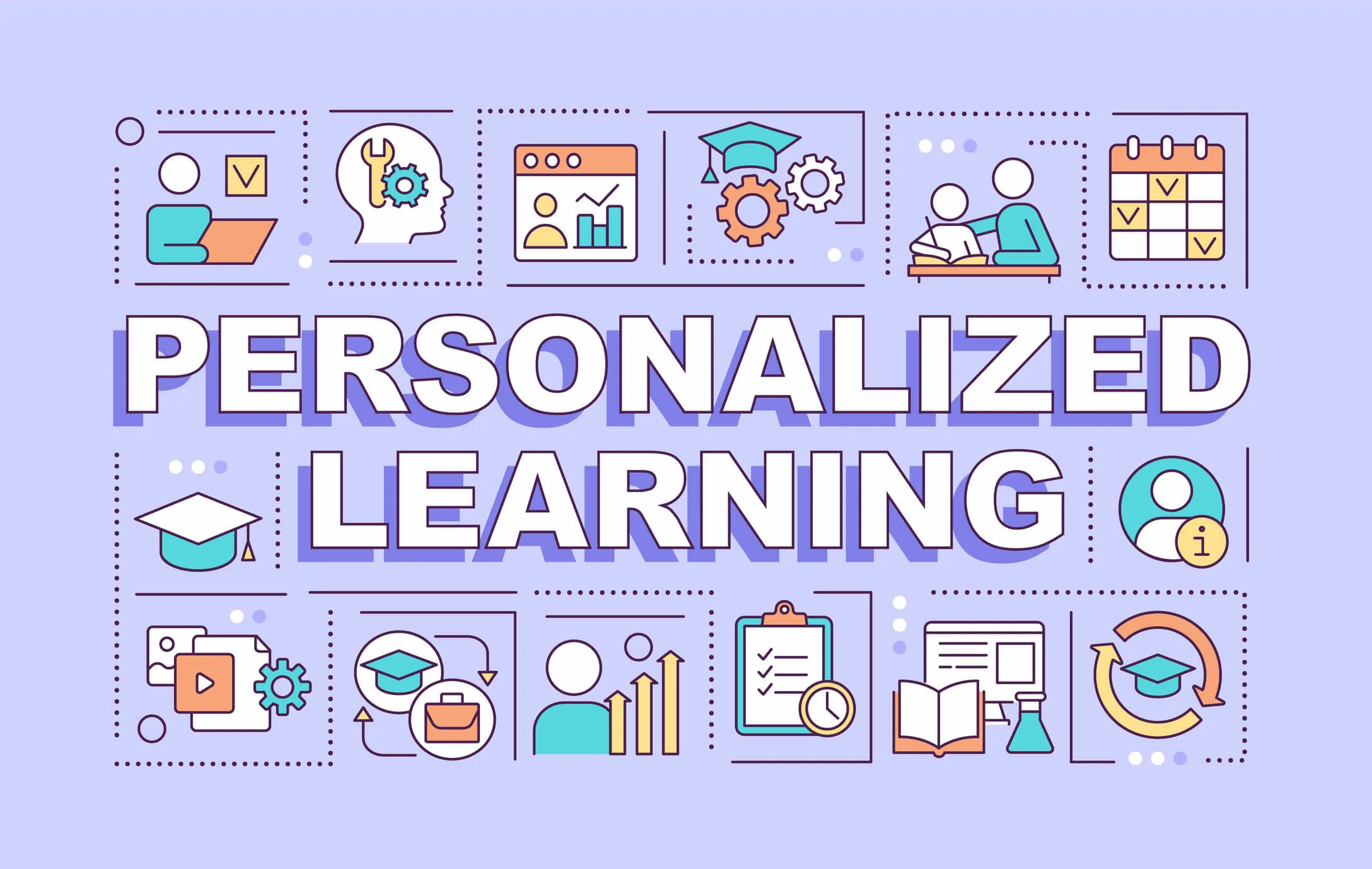
Traditional one-size-fits-all education models increasingly give way to personalized learning approaches that recognize each student’s unique strengths, challenges, and interests. This pedagogical shift acknowledges that children learn at different paces and through different methods, requiring flexible systems that adapt to individual needs rather than forcing students into rigid standardized frameworks. Technology enables customization previously impossible in conventional classrooms, though successful implementation requires thoughtful integration rather than simply replacing teachers with computers.
Adaptive Technology in Modern Classrooms
Educational technology platforms now employ sophisticated algorithms that adjust difficulty levels based on student performance, providing appropriate challenges without overwhelming struggling learners or boring advanced students. These systems track progress across multiple dimensions, identifying specific skill gaps that might go unnoticed in traditional assessment methods. Interactive simulations make abstract concepts tangible, particularly valuable in subjects like science and mathematics where visualization aids understanding. Gamification elements maintain engagement through reward systems and progress tracking, though educators must ensure learning objectives remain central rather than subordinate to entertainment value. Virtual reality applications transport students to historical events or distant ecosystems, creating memorable experiences that enhance retention compared to textbook descriptions. Adaptive assessments provide immediate feedback, allowing students to learn from mistakes in real-time rather than waiting days for graded assignments. However, technology should augment rather than replace human instruction, as teachers provide irreplaceable emotional support, motivation, and contextual understanding.
Individualized Pacing and Learning Pathways
Competency-based education models allow students to advance upon mastering material rather than spending predetermined time periods on each topic regardless of comprehension. This approach prevents the common scenario where students move forward with foundational gaps that compound into larger struggles later. Conversely, it eliminates wasted time reviewing concepts already mastered, letting quick learners explore topics more deeply or pursue additional interests. Flexible scheduling accommodates different energy patterns and learning preferences, recognizing that some students concentrate better in morning hours while others peak later in the day. Choice in assignment formats allows students to demonstrate knowledge through presentations, written work, projects, or other methods aligning with their strengths. Personalized learning plans developed collaboratively between teachers, students, and parents create ownership and direction, transforming education from something done to students into something they actively control.
Challenges and Implementation Considerations
Despite clear benefits, personalized learning faces significant implementation challenges requiring careful navigation. Teacher training must evolve to prepare educators for facilitator roles rather than traditional lecture-based instruction, demanding professional development investments many schools struggle to afford. Technology infrastructure inequities risk exacerbating educational disparities if some students lack reliable internet access or appropriate devices at home. Data privacy concerns arise when platforms collect detailed information about student performance and behavior patterns, necessitating robust protection policies. Standardized testing requirements often conflict with personalized pacing, creating tension between customized learning and accountability measures tied to grade-level expectations. Social-emotional learning benefits from peer interaction, which requires intentional design in individualized systems to prevent isolation. Successful personalized learning environments balance customization with community, ensuring students develop collaboration skills alongside academic knowledge. Schools implementing these approaches must monitor outcomes carefully, remaining willing to adjust strategies based on results rather than theoretical ideals.