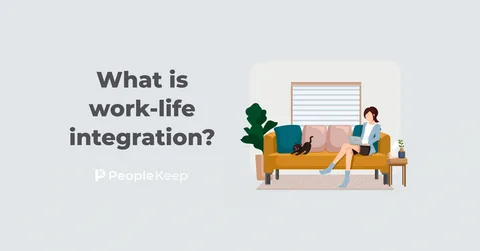
The concept of work-life balance implies opposing forces requiring careful equilibrium, suggesting professional and personal lives compete for limited time and energy. Work-life integration offers an alternative framework where career and personal pursuits blend synergistically rather than conflict. This approach acknowledges modern realities where technology enables working from anywhere while also recognizing that rigid separation between work and life domains may feel artificial. Creating sustainable integration requires intentionality about boundaries, priorities, and alignment between professional roles and personal values.
Establishing Healthy Boundaries
Successful integration paradoxically requires clear boundaries preventing work from consuming all available space, even as those boundaries become more flexible than traditional nine-to-five schedules. Communication with employers and colleagues about availability expectations prevents constant interruption anxiety while maintaining professionalism. Technology management, including disabling non-urgent notifications during personal time and designating device-free periods, protects mental space from perpetual connectivity. Physical workspace separation, even if just a specific corner of a room, helps transition between work and personal mindsets when commuting no longer provides natural boundaries. Time blocking dedicates specific periods to focused work, family activities, exercise, and relaxation, ensuring important priorities receive protected attention. Learning to decline requests that don’t align with core responsibilities or values prevents overcommitment that inevitably disappoints someone. Regular schedule reviews assess whether time allocation reflects stated priorities or reveals misalignment requiring adjustment.
Aligning Career with Personal Values
Integration becomes easier when professional work connects meaningfully with personal values and interests rather than feeling like time traded for money. Identifying core values through reflection exercises clarifies what matters most, whether creativity, helping others, financial security, intellectual challenge, or environmental stewardship. Seeking roles and projects that leverage personal strengths creates engagement and flow states where work feels energizing rather than draining. Professional development aligned with genuine interests transforms required learning into enjoyable growth opportunities. Workplace cultures supporting integration through flexible scheduling, remote options, and respect for personal commitments reduce stress and increase loyalty. Side projects and hobbies can evolve into career transitions for those finding current work unfulfilling, though financial planning and gradual shifts reduce risk. Mentorship relationships provide guidance from others who’ve navigated similar integration challenges across different life stages and circumstances.
Adapting Across Life Stages
Work-life integration needs evolve dramatically across different life phases, requiring periodic reassessment and adjustment. New parents often need temporary schedule modifications to accommodate childcare demands, with employers offering parental leave and flexible return-to-work arrangements. Mid-career professionals might prioritize advancement and skill development, accepting temporarily intense work periods that would be unsustainable long-term. Those approaching retirement often seek gradual transitions rather than abrupt stops, perhaps reducing hours or shifting to consulting roles that maintain engagement without full-time demands. Caregiving responsibilities for aging parents create new constraints requiring creative solutions and employer understanding. Health challenges, whether temporary or chronic, necessitate accommodation and realistic expectations about capacity. Economic pressures influence integration possibilities, as financial necessity sometimes limits choices about work hours and flexibility. Cultural expectations around career commitment vary significantly across industries, organizations, and geographic regions, creating different norms to navigate. Ultimately, sustainable integration requires honest self-assessment about current capacity, clear communication about needs and limits, and willingness to make difficult tradeoffs when perfect harmony proves impossible.