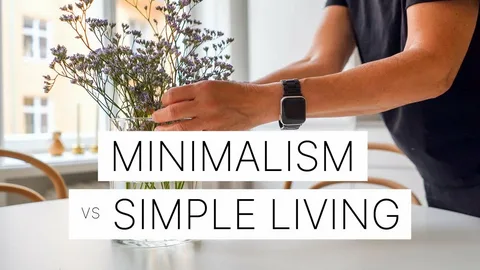
Minimalist living challenges the accumulation-focused culture that equates happiness with possessions and busyness with importance. This intentional lifestyle prioritizes experiences over objects, quality over quantity, and mindful consumption over impulse purchasing. Far from deprivation, minimalism creates space for what truly matters by eliminating physical and mental clutter that drains energy and attention. People drawn to minimalism discover that reducing possessions often paradoxically increases life satisfaction by freeing time, money, and mental bandwidth for meaningful pursuits.
Decluttering Physical Spaces
Beginning a minimalist journey typically involves assessing current possessions with fresh eyes, questioning the purpose and value each item provides. The process reveals how much space, both physical and psychological, is occupied by things rarely or never used. Effective decluttering methods vary from gradual daily progress to intensive weekend purges, with success depending on individual temperament and circumstances. The keep-donate-discard framework helps make decisions systematically, though sentimental attachments can complicate choices requiring emotional processing. Digitizing documents, photos, and media reduces physical storage needs while maintaining access to important information. Capsule wardrobes simplify morning routines and reduce decision fatigue by curating versatile, high-quality clothing that coordinates easily. Kitchen minimalism focuses on essential tools actually used rather than specialized gadgets gathering dust. Maintaining decluttered spaces requires ongoing discipline and new consumption habits, as minimalism represents a lifestyle shift rather than a one-time purge.
Mindful Consumption Practices
Minimalism transforms purchasing decisions from automatic responses to marketing triggers into deliberate choices aligned with values and needs. The one-in-one-out rule maintains equilibrium by removing an existing item whenever acquiring something new, preventing gradual accumulation creep. Waiting periods before non-essential purchases, perhaps twenty-four hours for small items and several weeks for major acquisitions, eliminate impulse buying while clarifying genuine desires. Quality investment pieces that last years prove more economical and environmentally responsible than cheap items requiring frequent replacement. Borrowing, renting, or buying secondhand meets temporary needs without permanent storage commitments. Experiences like concerts, travel, and classes create lasting memories without physical footprints, often providing more sustained happiness than material purchases. Gift-giving traditions can shift toward experiential presents or charitable donations in recipients’ names, breaking cycles of obligatory object exchange.
Psychological and Financial Benefits
The mental clarity resulting from simplified living often surprises people initially skeptical about minimalism’s psychological claims. Reduced visual clutter creates calmer environments that lower stress and improve focus on important tasks. Fewer possessions mean less time spent cleaning, organizing, and maintaining belongings, liberating hours for relationships, hobbies, and rest. Decision fatigue decreases when daily choices become simpler, preserving mental energy for meaningful decisions requiring careful thought. Financial benefits accumulate as mindful consumption reduces unnecessary spending, accelerating debt repayment and savings goals. Smaller living spaces become feasible when possessions decrease, potentially lowering housing costs significantly in expensive markets. Environmental impact diminishes through reduced consumption and waste, aligning lifestyle with sustainability values. However, minimalism remains deeply personal, with ideal implementation varying based on family size, profession, hobbies, and cultural context. The goal involves removing excess that doesn’t serve you, not achieving someone else’s definition of minimal. Finding your own balance between simplicity and the tools, comforts, and collections that genuinely enhance your life represents minimalism’s true purpose.