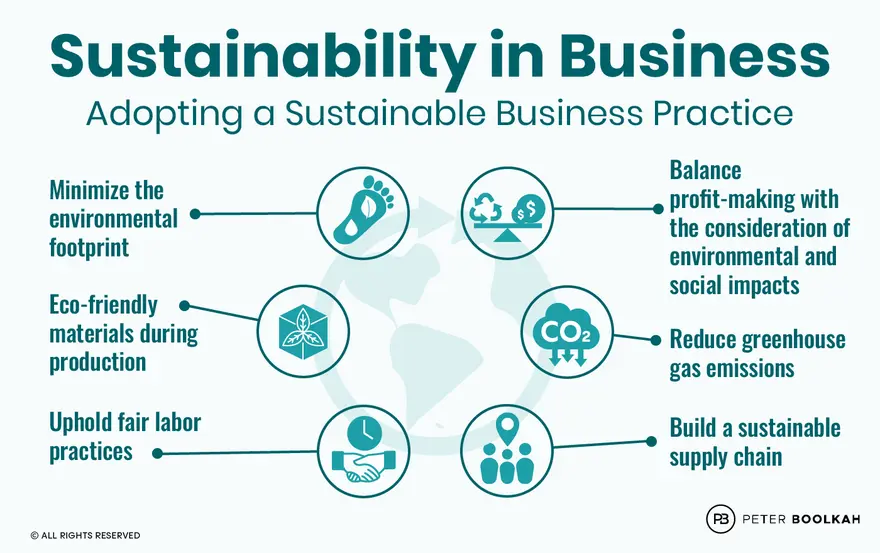
Environmental sustainability and business success are no longer mutually exclusive objectives but increasingly interdependent goals. Companies embracing sustainable practices discover that environmental responsibility often aligns with financial performance, operational efficiency, and brand reputation. Consumer demand for ethical business operations continues growing, with younger generations particularly prioritizing environmental impact when making purchasing decisions. Forward-thinking organizations view sustainability not as a compliance burden but as an innovation catalyst driving competitive advantage.
Environmental Impact Reduction Strategies
Reducing environmental footprints begins with comprehensive assessment of current impacts across all operational aspects. Energy efficiency improvements, from LED lighting upgrades to optimized heating and cooling systems, typically generate quick returns on investment through reduced utility costs. Renewable energy adoption, whether through on-site solar installations or purchasing green energy credits, decreases carbon emissions while potentially stabilizing long-term energy expenses. Waste reduction programs that emphasize reduction, reuse, and recycling minimize disposal costs and resource consumption. Water conservation measures become increasingly critical as drought conditions affect more regions globally. Supply chain sustainability requires partnering with vendors sharing environmental commitments, creating ripple effects that multiply positive impacts. Sustainable packaging alternatives reduce plastic waste and often resonate with environmentally conscious consumers willing to pay premium prices for responsible products. Transportation optimization through route planning and fleet electrification cuts emissions while lowering fuel expenses.
Social Responsibility and Stakeholder Engagement
True sustainability extends beyond environmental concerns to encompass social equity and ethical governance. Fair labor practices throughout supply chains prevent exploitation while building brand credibility among increasingly aware consumers. Community investment programs strengthen local relationships and create shared value beyond pure profit maximization. Diversity and inclusion initiatives foster innovation by incorporating varied perspectives while addressing systemic inequalities. Transparent reporting on sustainability metrics builds stakeholder trust and accountability, with many companies publishing annual sustainability reports detailing progress and challenges. Employee engagement in sustainability efforts creates ownership and generates grassroots innovation, as workers closest to operations often identify efficiency improvements executives might miss. Stakeholder dialogue sessions gather input from customers, employees, investors, and community members, ensuring sustainability strategies address actual concerns rather than assumed priorities.
Economic Benefits and Market Positioning
Sustainable practices increasingly translate into tangible economic advantages beyond moral satisfaction. Energy and resource efficiency improvements directly reduce operating costs, with savings often exceeding initial investment expenses within several years. Risk mitigation becomes crucial as climate-related disruptions threaten supply chains and regulatory requirements tighten globally. Access to capital improves as investors increasingly incorporate environmental, social, and governance factors into funding decisions. Talented employees, particularly younger professionals, gravitate toward companies demonstrating genuine commitment to positive impact. Customer loyalty strengthens when brands authentically align with values their audiences care about deeply. Innovation opportunities emerge when sustainability challenges inspire creative problem-solving, sometimes opening entirely new market segments. Companies positioned as sustainability leaders often command premium pricing while competitors struggle with commodity status. The transition toward circular economy models, where products are designed for reuse and recycling from inception, represents the next frontier in sustainable business evolution.