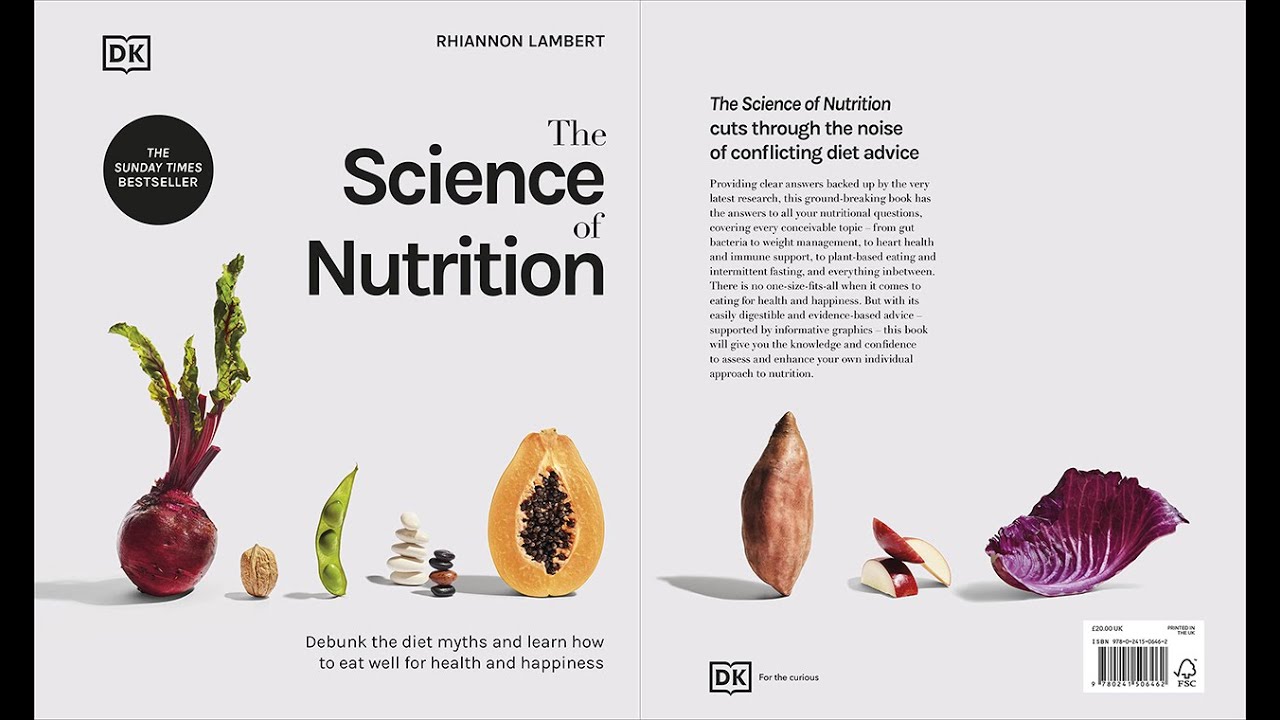
The nutrition landscape constantly shifts with new trends, conflicting studies, and persuasive marketing claims that often confuse rather than clarify healthy eating principles. Understanding evidence-based nutrition science empowers individuals to make informed dietary choices that support long-term health rather than chasing short-lived trends. While personalized nutrition considerations matter, fundamental principles of balanced eating remain consistent across most healthy dietary patterns.
Core Nutritional Principles
Despite countless diet variations, successful eating patterns share common characteristics grounded in nutritional science. Whole foods form the foundation, emphasizing vegetables, fruits, whole grains, lean proteins, and healthy fats while minimizing ultra-processed options laden with added sugars, sodium, and artificial ingredients. Adequate hydration supports every bodily function, yet many people chronically underestimate their fluid needs. Portion awareness prevents overconsumption even when eating nutritious foods, as energy balance ultimately determines weight management outcomes. Fiber intake deserves special attention, supporting digestive health, blood sugar regulation, and satiety, yet most individuals consume far less than recommended amounts. Micronutrients, though needed in smaller quantities, play crucial roles in immune function, bone health, and cellular processes. Rather than eliminating entire food groups without medical necessity, diversity ensures comprehensive nutrient intake and prevents dietary monotony.
Debunking Common Nutrition Myths
Misinformation proliferates rapidly in nutrition discussions, often perpetuated by social media influencers lacking scientific credentials. The myth that carbohydrates inherently cause weight gain ignores the distinction between refined and complex carbohydrates, with whole grains and legumes providing essential energy and nutrients. Fat phobia from previous decades has given way to understanding that healthy fats from sources like avocados, nuts, and olive oil support brain function and hormone production. The notion that eating after a certain hour causes fat storage oversimplifies metabolism, as total daily intake and food quality matter more than meal timing for most people. Detox diets promising to eliminate toxins ignore that the liver and kidneys naturally perform this function continuously. Superfoods marketed with extraordinary health claims rarely live up to their hype, with balanced variety proving more beneficial than relying on any single ingredient.
Sustainable Dietary Approaches
Long-term nutritional success requires sustainable approaches that fit individual lifestyles, preferences, and cultural backgrounds. Restrictive diets that eliminate favorite foods often lead to cycles of deprivation and overindulgence, making flexibility and moderation more effective strategies. Mindful eating practices, such as eating without distractions and recognizing hunger and fullness cues, foster healthier relationships with food. Meal planning and preparation reduce reliance on convenience foods while saving time and money throughout the week. Reading nutrition labels develops awareness of ingredient quality and nutritional content, though whole foods without labels often represent the healthiest choices. Seeking guidance from registered dietitians rather than self-proclaimed nutrition experts ensures evidence-based recommendations tailored to individual health conditions and goals. Remember that nutrition represents just one component of overall wellness, working synergistically with physical activity, sleep quality, and stress management for optimal health outcomes.