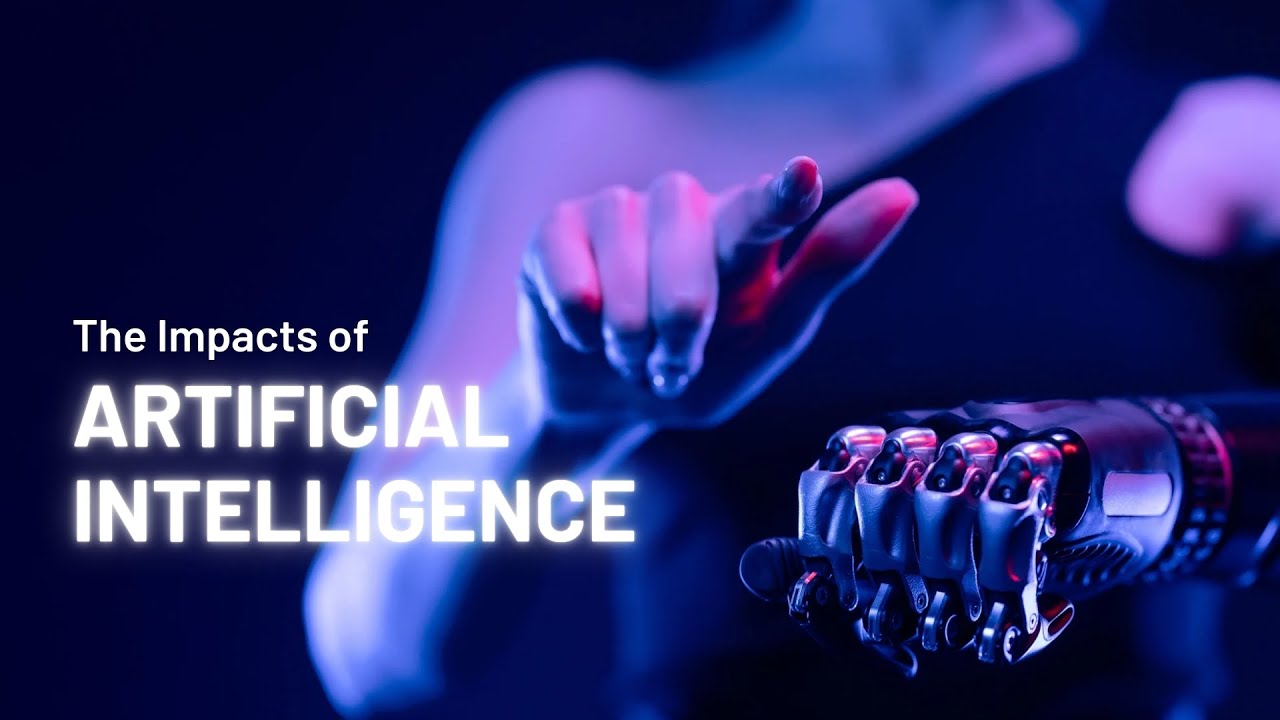
Artificial intelligence has evolved from a futuristic concept into an integral component of modern existence. From voice assistants managing our schedules to recommendation algorithms curating our entertainment choices, AI systems have woven themselves into the fabric of daily routines. The technology’s rapid advancement continues to blur the boundaries between human and machine capabilities, raising fascinating questions about productivity, creativity, and the nature of intelligence itself.
AI in Professional Environments
The workplace transformation driven by artificial intelligence extends far beyond simple automation. Machine learning algorithms now assist doctors in diagnosing diseases with accuracy rates that match or exceed human specialists. Legal professionals utilize AI-powered research tools that can analyze thousands of case precedents in seconds, identifying relevant information that might take weeks to uncover manually. Creative industries are witnessing AI collaboration in unprecedented ways, with algorithms generating music compositions, designing architectural blueprints, and even writing initial drafts of articles. Customer service has been revolutionized through intelligent chatbots that handle complex inquiries with natural language processing, freeing human agents to focus on cases requiring empathy and nuanced judgment. Manufacturing facilities employ AI-driven predictive maintenance systems that anticipate equipment failures before they occur, minimizing downtime and maximizing operational efficiency.
Personal Technology Integration
Consumer-facing AI applications have transformed how individuals interact with technology. Smart home systems learn household patterns, automatically adjusting lighting, temperature, and security settings to optimize comfort and energy efficiency. Fitness applications analyze biometric data to provide personalized workout recommendations and nutrition guidance tailored to individual goals and health conditions. Navigation systems predict traffic patterns with remarkable accuracy, suggesting optimal routes that save time and reduce fuel consumption. Photography apps enhance images through intelligent scene recognition and automatic adjustments that once required professional editing skills. Language translation tools break down communication barriers, enabling real-time conversations between speakers of different languages with increasing fluency and cultural sensitivity.
Ethical Considerations and Future Directions
As AI systems become more sophisticated, society grapples with important ethical questions. Privacy concerns arise as algorithms collect and analyze vast amounts of personal data to improve their performance. Bias in training data can perpetuate or amplify societal inequalities, making diverse and representative datasets crucial for fair AI development. The potential displacement of jobs requires thoughtful policy responses, including education programs that prepare workers for AI-augmented roles. Transparency in algorithmic decision-making becomes essential, particularly in critical areas like healthcare, criminal justice, and financial services. Looking forward, researchers are developing explainable AI systems that can articulate their reasoning processes, building trust and accountability into these powerful technologies.